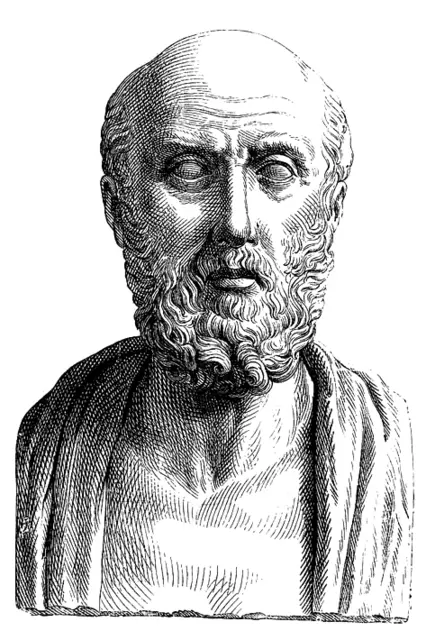
| Hippocrates |
5th century BCE |
Classical Greek physician linked to prognosis, regimen, humoral reasoning, and the Hippocratic tradition. |
Read |
| Galen |
2nd century CE |
Physician and system-builder whose anatomy, philosophy, and humoral explanation shaped learned medicine for centuries. |
Read |
| Al-Razi |
9th-10th centuries |
Physician and medical author whose clinical observations and criticism of Galen shaped medieval Islamic medicine. |
Read |
| Abraham Flexner |
20th century |
Educational reformer whose 1910 report remade North American medical training around university science. |
Read |
| Ibn Sina |
10th-11th centuries |
Polymath and clinician whose Canon of Medicine organized medical teaching across the Islamic world and Latin Europe. |
Read |
| Ibn al-Nafis |
13th century |
Physician and commentator whose account of pulmonary blood movement challenged Galenic and Avicennian anatomy. |
Read |
| Hildegard of Bingen |
12th century |
Benedictine abbess whose writings illuminate monastic healing, natural philosophy, and women's authority in medicine. |
Read |
| Andreas Vesalius |
16th century |
Anatomist whose dissection and images remade claims about what medical knowledge could be grounded on. |
Read |
| Li Shizhen |
16th century |
Ming physician and compiler whose Bencao Gangmu reorganised materia medica and natural knowledge. |
Read |
| Ambroise Pare |
16th century |
Barber-surgeon whose battlefield practice, wound care, ligatures, and prosthetics reshaped early modern surgery. |
Read |
| Paracelsus |
16th century |
Radical physician and alchemical reformer who attacked scholastic medicine and promoted chemical remedies. |
Read |
| William Harvey |
17th century |
Physician whose argument for blood circulation reshaped physiology and challenged Galenic accounts of the body. |
Read |
| Antonie van Leeuwenhoek |
17th century |
Delft microscopist whose single-lens instruments opened bacteria, protozoa, blood cells, and tissues to view. |
Read |
| Christiaan Barnard |
20th century |
Cardiothoracic surgeon whose 1967 heart transplant made transplantation a defining problem of surgery, ethics, and medical fame. |
Read |
| Lady Mary Wortley Montagu |
18th century |
Witness to inoculation practices whose advocacy altered European debates over prevention, risk, and credibility. |
Read |
| Edward Jenner |
18th century |
Provincial physician whose cowpox vaccination work shifted smallpox prevention toward a public-health model. |
Read |
| Rene Laennec |
19th century |
Paris clinician whose stethoscope made chest sounds central to nineteenth-century diagnosis. |
Read |
| Carlos Finlay |
19th-20th centuries |
Cuban physician whose mosquito hypothesis made yellow-fever transmission and vector control newly specific. |
Read |
| James Africanus Beale Horton |
19th century |
Sierra Leonean physician and political writer who joined West African medical knowledge to arguments for racial equality and self-government. |
Read |
| Anandibai Joshi |
19th century |
Indian medical graduate whose transnational education exposed barriers surrounding women's health, caste, empire, and professional access. |
Read |
| Dorothea Dix |
19th century |
Mental health reformer who made public care for people with mental illness a legislative question. |
Read |
| Clara Barton |
19th century |
Civil War relief worker and American Red Cross founder who reshaped medical humanitarian aid. |
Read |
| Mary Edwards Walker |
19th century |
Civil War physician and Medal of Honor recipient whose service challenged gendered limits on military medical authority. |
Read |
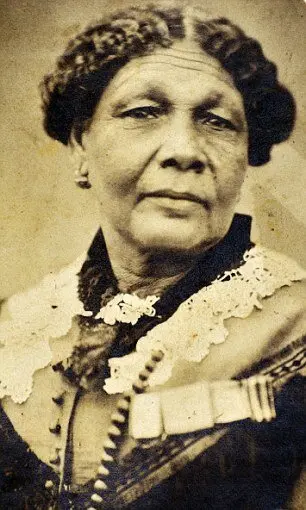
| Mary Seacole |
19th century |
Jamaican caregiver and Crimean War figure whose work joined Caribbean healing, military relief, and memoir. |
Read |
| Frederick Banting |
20th century |
Surgeon and researcher whose insulin work helped transform diabetes into a manageable chronic condition. |
Read |
| Jonas Salk |
20th century |
Virologist whose inactivated polio vaccine became a defining public-health achievement. |
Read |
| Virginia Apgar |
20th century |
Anaesthesiologist whose newborn scoring system made the first minutes after birth a shared clinical measure. |
Read |
| Elizabeth Blackwell |
19th century |
Physician and reformer whose landmark degree supported women's training, practice, and institutional legitimacy. |
Read |
| Florence Nightingale |
19th century |
Reformer, statistician, and administrator who linked nursing, sanitary reform, and state oversight. |
Read |
| James Lind |
18th century |
Naval physician whose work on scurvy made diet, comparison, and citrus central to prevention at sea. |
Read |
| John Snow |
19th century |
Physician whose cholera investigations made urban evidence, water supply, and transmission central to public health. |
Read |
| Ignaz Semmelweis |
19th century |
Obstetrician whose attack on puerperal fever exposed how physicians' routines could spread fatal infection. |
Read |
| Alexander Fleming |
20th century |
Bacteriologist whose penicillin observation became a landmark in antibiotics and infection treatment. |
Read |
| Louis Pasteur |
19th century |
Chemist and experimentalist whose laboratory work transformed debates over contagion and fermentation. |
Read |
| Robert Koch |
19th century |
Bacteriologist whose laboratory methods tied particular microbes to particular diseases. |
Read |
| Paul Ehrlich |
19th-20th centuries |
Immunologist and chemotherapy pioneer whose staining, antibody, and Salvarsan work shaped targeted treatment. |
Read |
| Ronald Ross |
19th-20th centuries |
Tropical medicine physician whose malaria research established mosquitoes as vectors. |
Read |
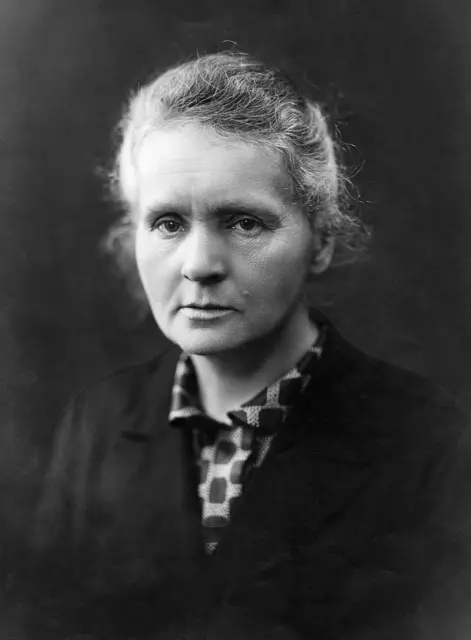
| Marie Curie |
19th-20th centuries |
Physicist and chemist whose radioactivity work shaped radiology, radium therapy, and wartime imaging. |
Read |
| Joseph Lister |
19th century |
Surgical reformer whose antiseptic methods made infection control central to the operating room. |
Read |
| Harvey Cushing |
20th century |
Brain surgeon whose methods, tumor operations, and training network helped make neurosurgery a modern specialty. |
Read |
| Tu Youyou |
20th-21st centuries |
Pharmaceutical researcher whose artemisinin work reshaped modern malaria treatment. |
Read |
| Sushruta |
Traditionally 1st millennium BCE |
Attributed authority behind the Sushruta Samhita, a foundational South Asian compendium of surgery, anatomy, training, and care. |
Read |
| Moses Maimonides |
12th century |
Jewish philosopher and physician in Cairo whose Arabic medical works joined regimen, clinical judgment, and Greco-Arabic learning. |
Read |
| Rebecca Lee Crumpler |
19th century |
First Black woman awarded a US medical degree, postwar physician, and author on the health of women and children. |
Read |
| Shibasaburo Kitasato |
19th-20th centuries |
Japanese bacteriologist whose tetanus and serum work supported laboratory medicine, immunology, and new research institutions. |
Read |
| Carlos Chagas |
19th-20th centuries |
Brazilian physician who connected a parasite, insect vector, animal reservoirs, and human American trypanosomiasis. |
Read |
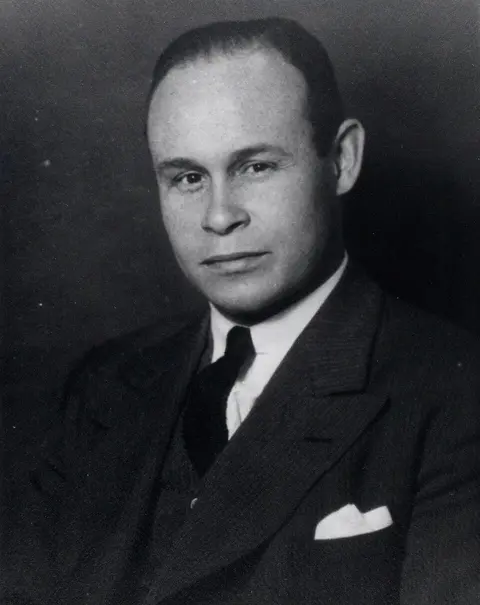
| Charles Drew |
20th century |
Surgeon and educator who helped standardise wartime plasma programmes and opposed racially segregated blood donation. |
Read |
| Alice Ball |
20th century |
Chemist whose injectable chaulmoogra preparation changed Hansen's disease treatment before her contribution was obscured. |
Read |
| Gertrude Elion |
20th century |
Chemist and pharmacologist whose collaborative biochemical approach transformed cancer, transplant, and antiviral medicines. |
Read |
| Wu Lien-teh |
19th-20th centuries |
Plague investigator and institution builder who linked respiratory protection to modern Chinese public health. |
Read |
| Fe del Mundo |
20th-21st centuries |
Filipino paediatrician who joined hospital care, training, vaccination, nutrition, and rural child-health outreach. |
Read |
| Zhang Zhongjing |
2nd-3rd centuries |
Attributed author of clinical classics that connected changing patterns of illness to formula-based treatment across East Asia. |
Read |
| Ibn Zuhr |
12th century |
Andalusi court physician whose case-based clinical writing circulated in Arabic, Hebrew, and Latin medical traditions. |
Read |
| Elizabeth Garrett Anderson |
19th-20th centuries |
English physician who converted exceptional licensing access into hospitals and medical education for other women. |
Read |
| Patricia Bath |
20th-21st centuries |
Ophthalmologist who joined blindness prevention and community access to cataract technology, training, and invention. |
Read |
| Henrietta Lacks |
20th century |
Patient whose cervical-cancer cells became HeLa, transforming laboratory research while raising enduring questions of consent and privacy. |
Read |
| Susan La Flesche Picotte |
19th-20th centuries |
Omaha physician who joined reservation practice to public health, advocacy, translation, and community hospital-building. |
Read |
| Daniel Hale Williams |
19th-20th centuries |
Surgeon whose Provident Hospital created clinical care, nursing education, and professional opportunity within segregated medicine. |
Read |
| Nise da Silveira |
20th century |
Brazilian psychiatrist who opposed coercive treatments and developed art studios, a museum, and community-oriented care. |
Read |
| Cicely Williams |
20th century |
Jamaican physician who identified kwashiorkor for international medicine and challenged dangerous infant-food promotion. |
Read |
| Kazue Togasaki |
20th century |
Japanese American physician who organised obstetric and public-health care while forcibly incarcerated during World War II. |
Read |
| Charaka |
Early centuries CE |
Attributed physician-editor whose layered Ayurvedic compendium joined internal medicine, prognosis, therapeutics, education, and ethics. |
Read |
| Sun Simiao |
7th century |
Tang physician and compiler whose encyclopedic formularies linked practical remedies to an influential ideal of compassionate conduct. |
Read |
| Trota of Salerno |
12th century |
Salernitan practitioner whose manuscript afterlife illuminates women's medicine, authorship, and the layered Trotula compilation. |
Read |
| James McCune Smith |
19th century |
Physician, pharmacist, statistician, and abolitionist who used medical evidence against slavery and scientific racism. |
Read |
| Helen Brooke Taussig |
20th century |
Pediatric cardiologist whose clinical insight helped define congenital heart disease and the collaborative blue baby operation. |
Read |